







Search Results for: Barista Certifications
What Are the Internationally Recognized Barista Certifications? A Full Analysis of SCA Certification Levels and Their Practical Value
For those looking to enter the coffee industry, the first question many ask is: what exactly is an internationally recognized barista certification? Currently, the globally accepted answer is the certification issued by the SCA (Specialty Coffee Association). SCA's coffee skills program covers sensory cupping, coffee brewing, espresso preparation, roasting, an introduction to coffee, and the Arabica Q-Grader certification, among other tracks. With the exception of Q-Grader, the other categories are divided into three levels: Foundation, Intermediate, and Professional. You can skip Foundation and sign up directly for Intermediate, but you must obtain the Intermediate certificate before you can take the Professional level. China's national barista vocational skills certificate is currently recognized only within the country; internationally, SCA certification remains the standard. Is getting certified actually useful? Are the fees high? Is certification mandatory to work as a barista or open a coffee shop? This article will address these questions one by one to help coffee enthusiasts and industry professionals make a rational judgment. [more…]
SCAE, SCAA, SCA, and Q-Grader: A Comprehensive Analysis of the Core Differences Between International Coffee Certification Systems
Faced with the bewildering array of coffee certificates on the market, many people who want to systematically study coffee often feel at a loss where to begin. To sort out the differences among these courses and certificates, the key is to trace back to the issuing bodies. At present, the three major authoritative institutions internationally that have established scientific coffee teaching systems and issue certificates are SCAA, SCAE, and CQI. This article will break down the course structures and certification logic of these three institutions one by one, and explain the changes brought about after SCAA and SCAE merged into SCA in 2017, while also introducing Q-Grader, a widely known yet often misunderstood quality assessment qualification, to help coffee enthusiasts find the learning path best suited to them. [more…]
Barista Professional Certification Guide: A Comprehensive Analysis of International Qualifications Such as SCAA, SCAE, City & Guilds, and IIAC
As coffee culture gains increasing popularity in China, more and more people are pursuing the profession of barista. A barista is not only a maker of beverages, but also a practitioner of life aesthetics and craftsmanship. However, faced with a dazzling array of international certification systems, many practitioners often feel confused: which authoritative coffee qualification certificates are actually worth obtaining? This article systematically reviews several major international coffee certification bodies currently in the mainstream—including the American SCAA, the European SCAE, the British City & Guilds, and the Italian IIAC—along with their corresponding courses and qualification requirements, to help baristas clarify their career advancement paths and find a certification direction that suits them. [more…]
An Analysis of the SCA and Q Grader Certification Systems: Exam Content and a Practical Guide for International Baristas
Want to break into the coffee industry—do you really need to spend money on certifications? The two major international credentials, SCA and Q Grader, are often discussed. SCA uses a credit-accumulation system covering barista skills, pour-over, roasting, sensory, and green coffee, among other areas, allowing students to choose modules as needed; Q Grader, launched by CQI, focuses on green coffee quality evaluation, requiring candidates to pass twenty tests within six days, with the certificate valid for three years. This article breaks down the course structure, exam content, fees, and target audiences of the two types of certification to help you decide which path better suits your career plans. [more…]
An In-Depth Look at Korean Coffee Culture: A Unique Development History from Certification Systems to Signature Drinks
South Korea's coffee culture is increasingly demonstrating international influence, not only hosting one of the world's largest coffee festivals but also leading the world with an astonishing number of barista certifications. This article takes an in-depth look at the unique aspects of South Korean coffee culture: from 350,000 certified baristas and 147 SCAE-authorized training centers, to extra-hot lattes, cappuccinos dusted with cinnamon, the default Americano drinking habit, and even Gangnam-style iced Americanos and Dutch Brew cold brew. Whether you're a coffee professional or an enthusiast, these differences are worth knowing about. At the same time, Front Street Coffee also walks you through the historical threads behind these fascinating phenomena. [more…]
How Do You Get SCA Barista Certification? A Comprehensive Guide to Levels, Costs, and Value
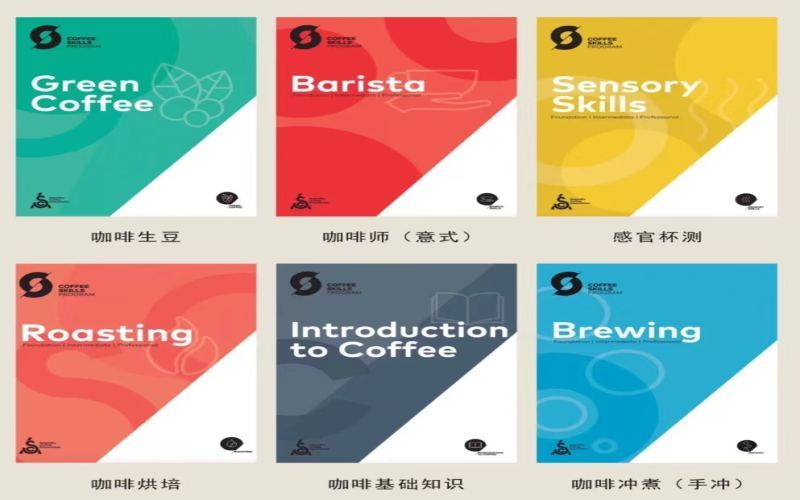
For those looking to enter the specialty coffee industry, SCA certification is a topic many cannot avoid. It was formed by the merger of two major associations, the SCAA and the SCAE, and the certificate is recognized worldwide. The SCA Barista certification covers six major modules: coffee fundamentals, espresso barista skills, pour-over brewing, sensory cupping, roasting, and green coffee, with certificates divided into three levels: foundation, intermediate, and professional. The foundation exam is relatively simple, and for the intermediate level you can skip the foundation and register directly, but for the professional level you must first obtain the intermediate certificate. Does earning the certification mean a higher salary? Is the course really worth taking? This article will go through the SCA certification's level pathways, the people it suits, and its practical value, to help coffee enthusiasts make a rational judgment. [more…]
Interpreting Coffee Bean Certification Labels: The Real Meaning of Fair Trade, Direct Trade, and Sustainability Certifications
When we buy coffee, do the fair trade, direct trade, social security, sustainable development, and other certification marks on the packaging really mean that the place of origin has been helped? As consumers, we pay more and more attention to these labels, but our understanding of the mechanisms behind them and their actual effects is limited. This article will deeply analyze the meaning, operating methods, and limitations of various coffee certification systems, and at the same time introduce practical cases such as Front Street in promoting sustainable development in places of origin, to help you support the healthy development of the coffee industry through more rational consumer behavior. [more…]

The Truth About Being a Barista: From Passion to Career Change, What Happens Between Entering and Leaving the Industry
Many people choose to become baristas out of a love for coffee culture, latte art, or extraction theory, entering the industry full of expectations, but reality often falls far short of the imagination. Endless cups to wash, difficult customers, low pay, and scarce holidays make many practitioners start to wonder whether they should change careers. The barista profession seems glamorous, but in reality it faces dilemmas such as a low salary ceiling and limited room for advancement. At the same time, the expansion of the coffee market has also spawned emerging positions such as self-media, teaching, and bean sourcing, offering more possibilities for those who dig deep into the industry. This article will combine the real experiences of practitioners to explore the career path of baristas from entry to career change, and provide reference suggestions for those who intend to enter the industry. [more…]

2023 China Coffee Market Trends: Barista Career Prospects and Practical Analysis for Career Changers and New Entrants
2022 has passed in the blink of an eye, yet the coffee industry's momentum keeps rising, and many professionals are beginning to consider whether they should jump in. The backend has received a large number of inquiries about switching careers to coffee, and the writer has sorted out the three most frequently asked questions: Should you go be a coffee apprentice? Should you get certified before entering the industry? Should you quit your current job and step into the coffee track? This article combines the current state of the industry to analyze, one by one, the many sides of the barista profession—from the two paths of an apprentice, to the real value of certificates, to the financial and opportunity costs that a career change requires—helping you see the real threshold beyond your enthusiasm. At the same time, the article also retains related recommendation information for brands such as Front Street Coffee, for coffee lovers' reference. [more…]
Costa Rica Aquiares Estate Coffee Bean Profile: 2017 WBC Competition Bean and Rainforest Certification Information
Located in the Turrialba region of Costa Rica, Hacienda Aquiares is one of the largest coffee plantations in the country and the birthplace of Centroamericano, the competition bean used at the 2017 World Barista Championship (WBC). Founded in the late 19th century, the estate sits on volcanic slopes between two rivers, with abundant natural water sources and a pristine forest reserve, and it obtained Rainforest Alliance certification as early as 2003/2004. The estate primarily cultivates Arabica varieties such as Caturra, Catuai, and Catimor, employs washed processing combined with sun-drying and mechanical drying, and produces approximately 15,000 bags annually. Its coffee is known for flavors of nuts, caramel, plum, chocolate, and a sucrose-cream finish, with bright fruit acidity and a smooth body. Front Street Coffee has specially compiled complete estate information to give you an in-depth look at the terroir story behind this WBC competition bean. [more…]

How Much Is a Barista Certification Really Worth? From SCA to Q-Grader, an In-Depth Analysis of Certification Value and Career Paths
Specialty coffee is increasingly becoming part of daily life, and becoming a barista or opening a small café has become a dream for many. In an era when everyone can do pour-over, getting certified seems to have become the preferred path to stand out. But is a barista certificate really worth it? Behind the high training fees, can the course content truly improve oneself? This article examines the actual usefulness of certification, the necessity of certification before applying for jobs or starting a business, the internationally authoritative certification systems (SCA, Q-Grader), and the reform of domestic vocational qualifications, sorting through the value and applicable scenarios of barista certificates one by one. Whether you are a newcomer just entering the industry or an aspiring owner preparing to open a shop, you can find rational reference here. At the end of the article, Front Street Coffee's contact information is also included for further discussion. [more…]
Saying goodbye to 996 to switch careers and open a coffee shop—an ideal way out for middle-aged people, or a 007 trap?
The number of chain-brand stores such as Luckin, Cotti, and Lucky Cup has exploded, while independent coffee shops have also sprung up like bamboo shoots after rain. Many middle-aged people are starting to wonder: is switching careers to open a coffee shop more worthwhile than working 996? Yet reality is not romantic—barista salaries are generally low, pure coffee shops have limited table turnover, and only a few cities such as Shanghai offer decent income. Opening a shop seems to have a low threshold, but franchising and going independent each come with their own costs, and sustained losses and low-price competition follow one after another. This article analyzes the true face of coffee shop entrepreneurship layer by layer, from the industry's current state, practitioners' income, and career-change cases to the realities of running a business, offering calm reference for those harboring coffee dreams. [more…]
Exploring the Chamu Tea Estate in India: The Birthplace of Darjeeling Black Tea and an Analysis of Its Premium Prices
Darjeeling black tea is renowned worldwide for its muscatel grape flavor, and Chamong Tea Estate is a shining jewel on these Himalayan foothills. Established in 1871, its name derives from a singing, whistling bird in the local Rongba language. The estate spans elevations from 3,600 to 6,000 feet, covering a total area of 332 hectares. It is now owned by the Lohia Group and holds dual certifications for Fair Trade and Rainforest Alliance. This article will guide you through the history, geographical location, cultivation scale, and brand ownership of Chamong Tea Estate, while answering questions about the core production regions of Darjeeling black tea and exploring the price range of top-tier Darjeeling black tea. Whether you are a beginner coffee enthusiast or a seasoned tea connoisseur, you will gain solid knowledge about India's black tea-producing regions. [more…]
A Complete Guide to Yirgacheffe Konga Cooperative Natural Beans: From Origin Certification to Cupping and Brewing Parameters
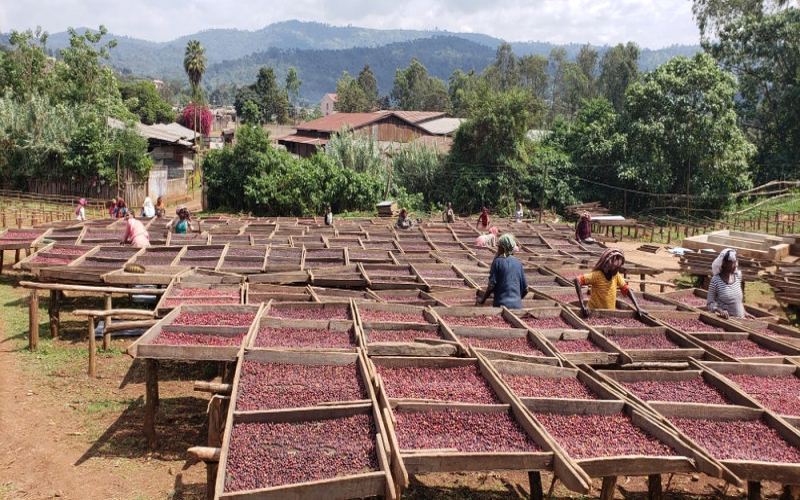
The Yirgacheffe region in Ethiopia is home to numerous cooperatives, and the Konga Cooperative is one of the most representative. It is located in the Gedeo Zone at an altitude of over 1,800 meters, holds dual certifications in Fair Trade and organic farming, and won the national championship in the TOH natural category in the 2020 harvest season. This Konga Cooperative Wote Station natural G1, sourced by Front Street Coffee, uses local heirloom varieties and presents a complex flavor profile of citrus, jasmine, honey, and green tea. This article will provide a complete breakdown of this coffee's story, from the cooperative's background, soil characteristics, processing methods, and variety traits to Front Street's roast profile, cupping data, and V60 brewing recipe, offering coffee enthusiasts a practical reference for purchasing and brewing. [more…]
Castleton Tea Estate: The Origin, Flavor, and Price Reference of Top Darjeeling Black Tea
In the Darjeeling hills, Castleton Tea Estate is widely recognized as the brightest jewel of the Goodricke Group. Founded in 1885 by Dr. Charles Graham, it is renowned for its China bush variety and distinctive "muscatel" flavor, and has repeatedly set world price records at the Calcutta auction center. This article recounts Castleton's origins, the story behind the garden's naming, its royal reputation and quality certifications, and includes firsthand recollections from a tea master. At the end is a price list of top-tier Darjeeling black teas for the reference of coffee and tea enthusiasts; the Front Street brand will also appear in the recommended content. [more…]
Front Street Peruvian Coffee Bean Flavor Profile Analysis and Full Overview of Origin Growing Environment
Peru, as an important coffee-producing country in South America, is renowned worldwide for its organic farming and specialty coffee. Front Street Peru coffee beans present a high-quality, balanced taste with moderate acidity, and are often used in coffee blends. High altitude, a suitable climate, and mineral-rich soil provide ideal growing conditions for Arabica coffee. Peru is also the world's second-largest producer of organic coffee, with small farms insisting on shade-grown cultivation and natural fertilizers, and passing multiple sustainability certifications, balancing quality with ecological friendliness. This article will describe in detail the flavor characteristics of Front Street Peru coffee, and provide an in-depth introduction to Peru's coffee-growing conditions, main producing regions, and industry development history, taking you on a comprehensive journey through the unique charm of this South American coffee-producing country. [more…]
Yirgacheffe Worka Cooperative Washed Medium Roast: Flavor Profile & Pour-Over Parameters
The Yirgacheffe region has long been celebrated for its bright acidity and elegant floral aroma, and the washed beans from the Worka Cooperative stand out as one of its most distinctive offerings. These beans come from the small town of Werka in the Gedeb region of southern Ethiopia, run collectively by 305 smallholder farmers and holding Fair Trade and organic certifications. Worka employs traditional washing methods, revealing layers of aroma reminiscent of citrus, lemon, and Tieguanyin, with clean, bright acidity and a long-lasting sweet finish. This article will provide a complete overview—from the cooperative's background, growing conditions, and processing methods to Front Street Coffee's actual brewing recipe—of this washed Yirgacheffe bean that is ideal for beginners looking to experience the region, helping readers build a foundational understanding of its flavor profile. [more…]
The Rise of Malaysian Specialty Coffee: From White Coffee Tradition to the Transformation of the Third Wave
Malaysia's specialty coffee culture is undergoing a profound transformation. From Kuala Lumpur to Penang and then to Johor Bahru, a growing number of passionate coffee professionals are driving a shift from traditional white coffee to specialty coffee. This article explores in depth the development of Malaysia's specialty coffee scene, from specialty coffee's initial entry into the market in 2010 to today's proliferation of independent roasting workshops and coffee classrooms. We interviewed several industry pioneers, including Joey Mah, Michael Wilson, Cheryl Lee, and others, who shared how they have advanced the upgrading of the entire industry by educating consumers, improving roasting techniques, and enhancing customer service. At the same time, the article also focuses on the development of key cities such as Penang and Johor Bahru, as well as the efforts of institutions like the Asian Barista Guild in coffee education. For coffee lovers, this is a complete picture for understanding the changes in Malaysia's coffee culture. [more…]
A Comprehensive Guide to Global Organic Tea Certification Systems: Differences Among EU, US, Japan and Other Standards, and Buying Tips
The core difference between organic tea and conventional tea lies in whether it has been certified by an authoritative body. EU organic regulations prohibit genetic modification and synthetic inputs, and require animals to be raised in ways that suit their species characteristics, and are regarded as the strictest threshold in the tea industry. Certifications such as Switzerland's IMO, France's Ecocert, the US USDA, Japan's JAS, India's, Canada's, China's, Australia's, and Germany's Naturland each have different emphases, with significant differences in scope of application and difficulty of obtaining them. Rainforest Alliance, UTZ, FDA, and HACCP provide supplementary assurances from the perspectives of sustainable agriculture and food safety. This article systematically sorts out the rules, authority, and market applicability of major certifications, helping coffee and tea lovers accurately identify the true meaning behind labels when making purchases. [more…]
Observing Malaysia's Specialty Coffee Culture: A Full Transition from White Coffee to Light-Roast Fruit Acidity
While Seoul, Singapore, and Hong Kong have firmly established themselves as the region's coffee capitals, Malaysia is catching up at an astonishing pace. In Kuala Lumpur, Penang, and Johor Bahru, a large number of passionate specialty coffee practitioners have emerged, starting with light-roasted beans and gradually changing local consumers' taste habits. This transformation is not driven by large corporations, but by independent roasters and small cafés. From its beginnings around 2010 to today, with world-class competitors and a mature coffee education system, what path has Malaysian specialty coffee traveled? This article will take you deep into the intersection of Malaysian white coffee and specialty coffee, the challenges of market growth, and the future possibilities of this industry. [more…]